Refurbishment: How It’s Done Properly

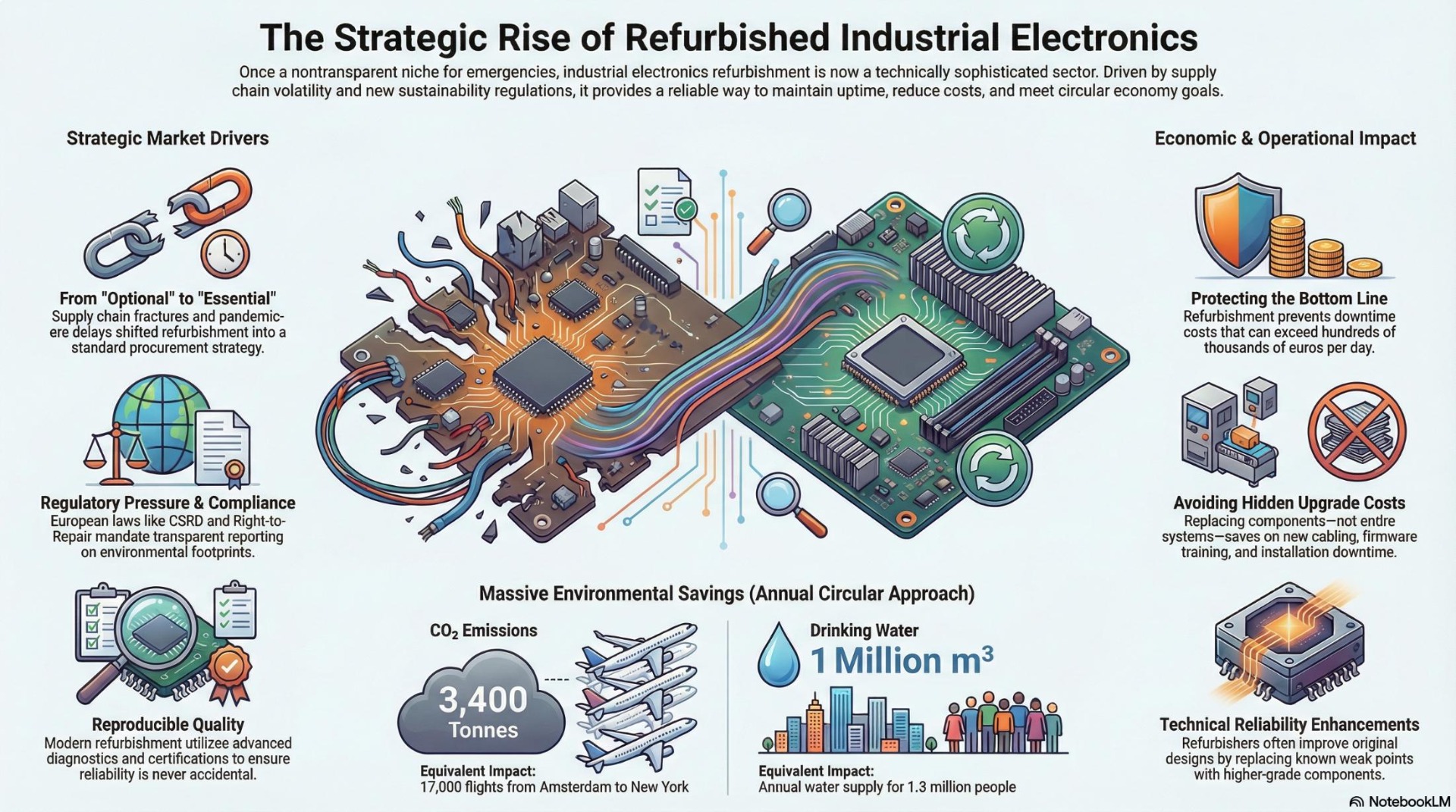
When a critical PLC or industrial electronic component fails, speed matters. Maintenance teams need a replacement fast, and refurbished products often seem like the most practical solution. But not all refurbishment is equal. Choosing a used unit simply because it is cheaper can lead to repeated failures, unexpected downtime, and higher long-term costs. Professional refurbishment is more than fixing what is visibly broken. It is a systematic process designed to restore reliability, often to a level that matches or even exceeds new equipment.
The difference between used and professionally refurbished
A used component may look functional on the surface, but hidden wear, contamination, and ageing parts can cause failure when it matters most. Professional refurbishers operate more like manufacturing facilities. Their goal is to answer the key question every maintenance manager asks: how do I know this will not fail again? The difference lies in the process.
A six step framework for reliable refurbishment
High quality refurbishment follows six essential steps. Missing any of these steps means the customer may simply inherit someone else’s problems. Following all six ensures a product that performs like new, and often better than new.
Step 1: Evaluation and analysis
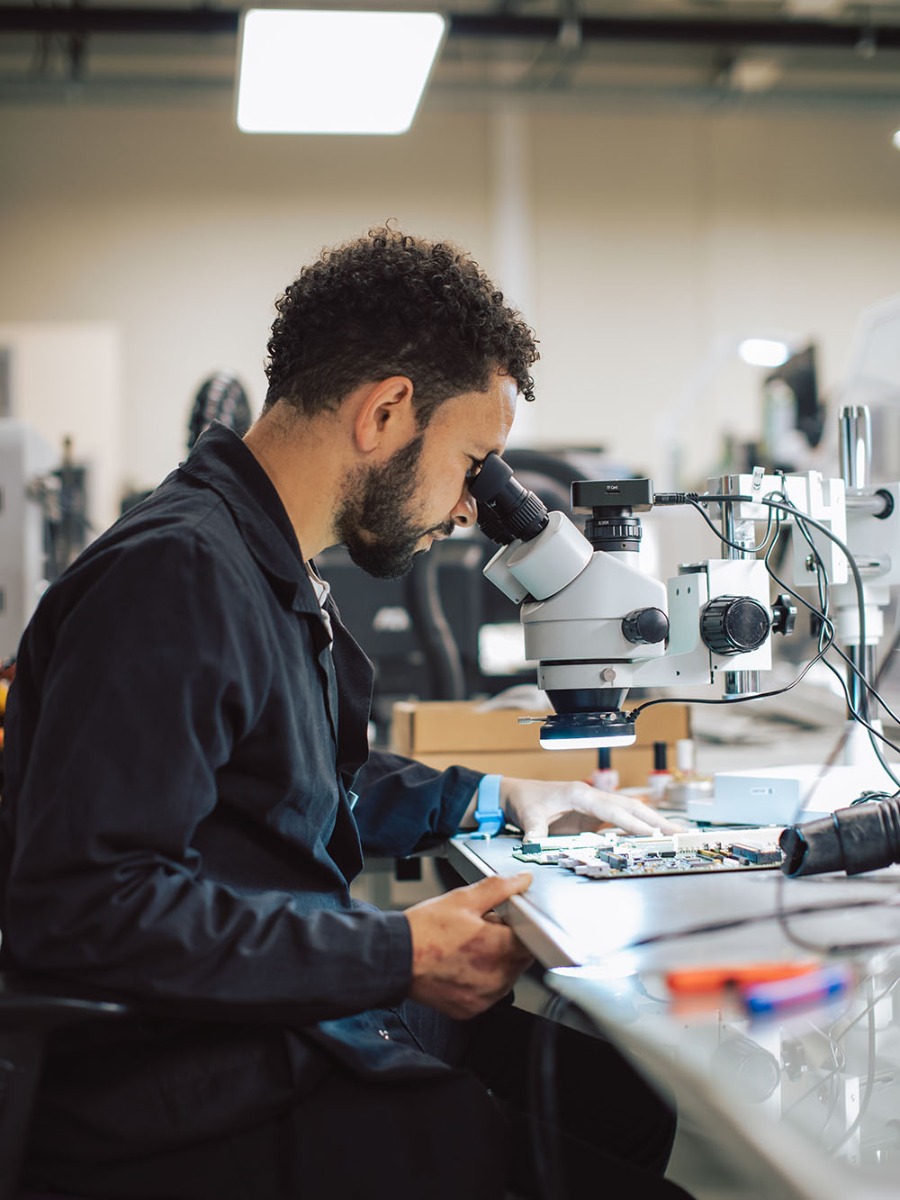
Refurbishment begins with a comprehensive assessment. Technicians perform detailed visual inspections, identify wear patterns, and use advanced diagnostic tools to uncover hidden defects. Only components that can genuinely be restored proceed further.

Step 2: Specialised cleaning
Industrial grade cleaning removes years of contamination using ultrasonic baths and specialised solvents. This is not cosmetic work. Proper cleaning improves heat dissipation, reveals hidden damage, and provides the foundation for reliable operation.

Step 3: Proactive component replacement
Professional refurbishers replace wear prone components before they fail. Parts such as capacitors, relays, and cooling fans are replaced based on failure data and ageing behaviour. This preventative approach extends operational life significantly.

Step 4: Technical repairs
Specialised repairs address deeper issues such as damaged circuit traces, connectors, firmware corruption, or mechanical failures. Each repair is documented carefully, ensuring traceability and continuous technical improvement.

Step 5: Comprehensive testing
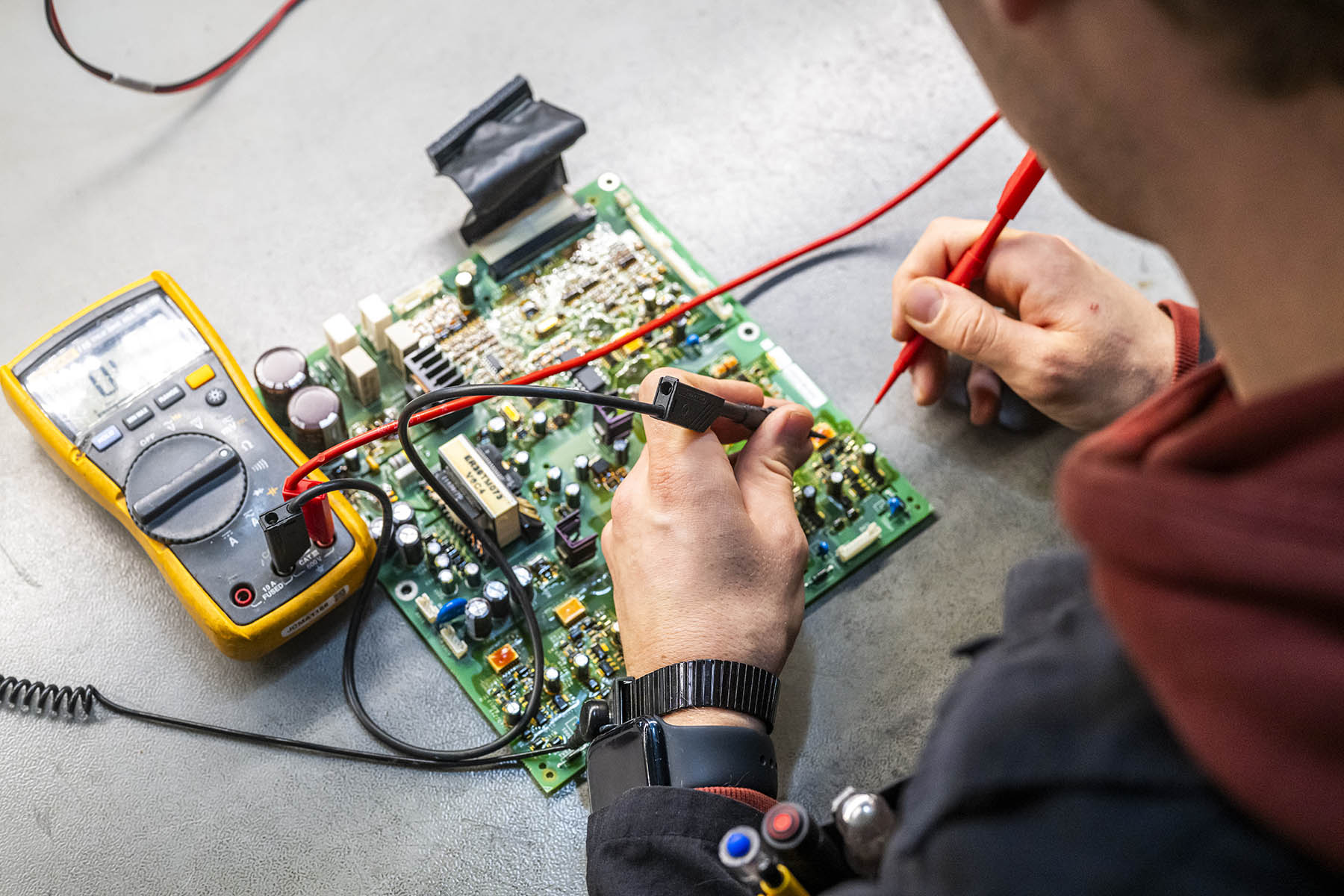
Testing is one of the most critical stages. Components are subjected to multi stage protocols, including functional tests, environmental stress testing, and burn in procedures to identify early failure modes before delivery.

Step 6: Warranty and certification
True refurbishment ends with accountability. Quality refurbishers provide warranties that match or exceed new equipment terms. Certifications such as RecQ validate refurbishment standards and give customers confidence through documented test results and traceable processes.

Refurbishment done right creates reliability
Professional refurbishment is not about quick fixes. It is an engineering discipline built around prevention, verification, and trust. For industrial buyers, the value lies in uptime, predictability, and long-term performance. With Jcertified, that reliability becomes visible, showing that a component has been professionally checked and tested before delivery. The video below explains what Jcertified means in practice.